

Ad strategy
Search terms, offer angle, treatment fit, and weak-lead patterns get reviewed before spend scales.
Dental clinics in Mid-Levels do not need more unfiltered form fills. They need a local acquisition system for implant, cosmetic, SEO, and paid-search demand that filters weak-fit inquiries and tracks which conversations become consultations.
Local growth system
The local page is only the entry point. Booked.Dental connects demand, proof, follow-up, and accepted-case feedback so the clinic can see what actually turns into treatment.
Search terms, offer angle, treatment fit, and weak-lead patterns get reviewed before spend scales.
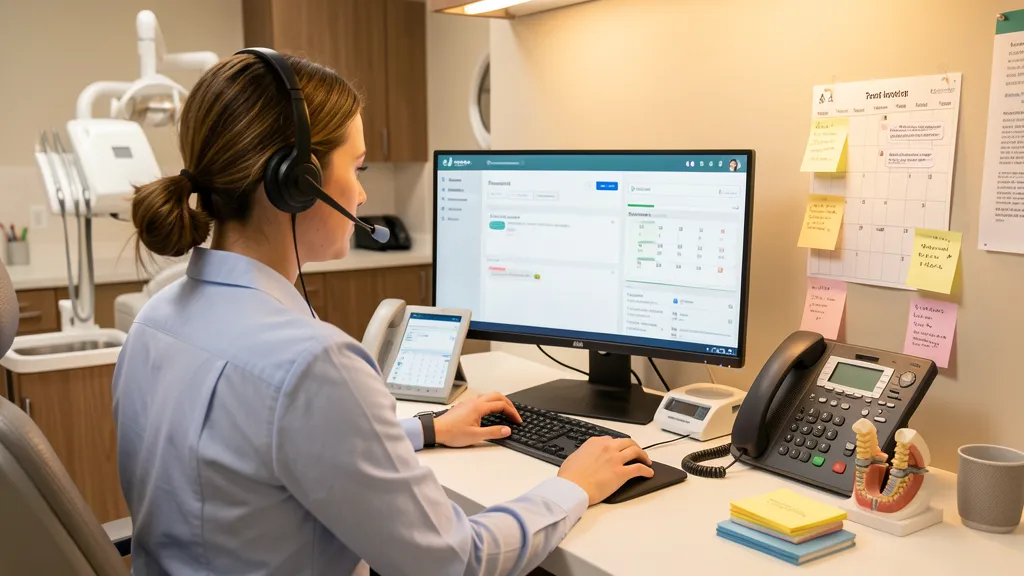
Coordinator response, reminders, objections, and consult handoff are treated as part of the marketing funnel.
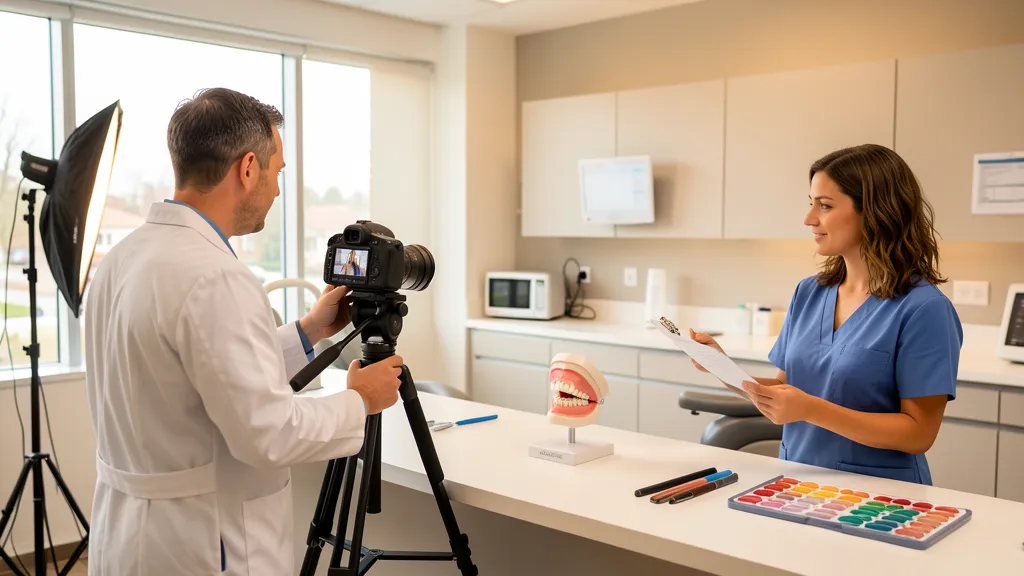
Doctor explanations, case education, and visual proof give high-value patients a reason to book.

Marketing decisions are tied back to booked consults, show rate, accepted treatment, and case value.
Demand signals
Mid-Levels demand is shaped by affluent residents and expats compare premium cosmetic, Invisalign, implant, and family-private dental options.
Mid-Levels, Central, Sai Ying Pun, Pok Fu Lam, and The Peak should appear naturally in local copy so the page does not feel like a broad location page.
Mid-Levels campaigns should connect convenience, English-friendly trust, and proof for high-value consults.
High-value treatment pages need stronger proof, clearer financing language, and faster follow-up than a generic dental website can usually provide.
Recommended minimum budget
For a serious local dental marketing test in Mid-Levels, plan on at least $4,500 USD per month for 90 days before judging the channel. Smaller budgets can still produce learning, but they usually make it harder to separate market fit from underfunded testing.
This is a planning floor, not a guaranteed result. A clinic should scale only when lead quality, follow-up speed, show rate, and accepted-case tracking support the increase.
Recommended minimum
$4,500 USD
Test window
90 days
Scale after signal
$7,000 USD
Estimated lead economics
Use this as a planning view for high-value treatment marketing. The local market range shows the broader area benchmark. The Booked.Dental range shows the lower target we would plan around after tightening the offer, landing page, filtering, and follow-up process.
These are conservative planning estimates for high-value dental marketing conversations, not guaranteed lead costs, case starts, or revenue. Actual results depend on offer, follow-up speed, market competition, case value, financing, and clinical acceptance.
Get My Clinic PlanLocal market range
$150-$230 USD
Estimated area benchmark for serious dental marketing conversations in this market.
Booked.Dental range
$75-$115 USD
Booked.Dental uses a lower planning target than the broad area benchmark because the system is built around stronger-fit offers, sharper landing pages, filtering, and faster follow-up.
Estimated closes
1-3/month
Conservative planning estimate for high-value treatment plans closed from roughly 39-60 filtered leads at a 2.5%-4.5% lead-to-accepted-plan rate.
Send the short clinic version: which treatment angle, budget floor, landing-page proof, and follow-up leak to check before spending more in this market.
Acquisition plan
Build search and local-visibility signals around the treatments Mid-Levels patients actually research before they choose a private clinic.
Use Google Ads and retargeting to capture active demand in Mid-Levels, then filter every inquiry for treatment fit, urgency, location, and financial readiness.
Feed booked consults, no-shows, and rejected leads back into creative and campaign decisions so spend moves toward patients your team actually wants.
Build the Mid-Levels page around cosmetic dentistry, veneers, Invisalign, implants, and restorative care instead of broad general dentistry traffic. Use proof, reviews, treatment fit, and local convenience for patients comparing Mid-Levels, Central, Sai Ying Pun, Pok Fu Lam, and The Peak. Filter inquiries by location practicality, treatment readiness, budget expectation, and booked-consult likelihood.
Local demand
Start with the highest-value treatment the clinic can track and follow up on in Mid-Levels, then expand only after serious inquiries and booked consults are consistent.
Implants, full-arch treatment, veneers, or cosmetic consults usually should get the first focused test.
No treatment context, unreachable contact info, poor location fit, or only a low-value request unrelated to the campaign.
Launch one focused offer, measure serious inquiries, review rejected reasons, and tighten follow-up before scaling.
Treatment-specific local plan
Mid-Levels veneer campaigns should protect premium positioning while separating serious smile makeover prospects from price-only shoppers.
Lead with smile goals, veneers, cosmetic consults, before-and-after education, and premium provider comparison.
Address outcome realism, price expectations, case planning, and whether veneers are clinically appropriate.
Use Meta for visual demand, Google for active cosmetic searches, SEO/GBP for local proof, and retargeting for undecided prospects.
Local growth checklist
Use this page as a market-specific acquisition brief, not a broad location page. The goal is to choose the right treatment angle, prove it clearly, and filter for consults the clinic can actually serve.
Make the Mid-Levels page answer treatment fit, proof, financing, reviews, and next-step questions before asking for a form submit.
Track which Mid-Levels inquiries are reachable, local-enough, treatment-ready, and financially realistic before increasing spend.
Use implant, cosmetic, SEO, or Google Ads proof that matches how Mid-Levels patients compare providers.
Review booked consults, rejected leads, no-shows, and treatment mix weekly so the campaign learns from real patient conversations instead of raw lead volume.
Local search intent map
These are the practical local search angles a clinic owner can use to decide which pages, proof, and follow-up systems need attention before more budget goes into ads or SEO.
Mid-Levels dental marketing agency
Compare treatment mix, location fit, follow-up capacity, proof, and lead-quality controls before committing budget.
Mid-Levels dental SEO
Build pages around profitable treatments and connect them to proof, FAQs, local context, and a clear consultation path.
Mid-Levels cosmetic dentistry marketing
Pair the page with cosmetic proof, smile design education, financing answers, and lead filtering before scaling spend.
Mid-Levels dental lead generation
Measure reachability, treatment fit, booked consults, and rejected reasons before increasing spend.
Local market context
Mid-Levels is a affluent Hong Kong expat and private dental market where affluent residents and expats compare premium cosmetic, Invisalign, implant, and family-private dental options. The opportunity is strongest for clinics that can turn interest into qualified consultations instead of chasing raw lead volume.
Mid-Levels campaigns should connect convenience, English-friendly trust, and proof for high-value consults.
Local catchment
Mid-Levels, Central, Sai Ying Pun, Pok Fu Lam, and The Peak
This keeps the page useful for local searchers while staying precise about the service area.
Best-fit treatments
Cosmetic Dentistry, Veneers, Invisalign, Implants, And Restorative Care
These treatment categories need local proof, practical next steps, and clear internal links.
Decision friction
Proof, reviews, treatment fit, convenience, and budget readiness
High-value patients usually compare carefully before sharing contact details.
Conversion risk
Broad city traffic mixed with selective premium consult intent
Lead filtering should protect clinic staff from weak-fit form submissions.
Local treatment pages
Use these local treatment pages to compare the strongest service angles for Mid-Levels, then choose the one the clinic can track and follow up on first.
Nearby private-pay markets
Use these nearby pages to compare affluent patient demand, competitive intensity, treatment focus, and the local proof a clinic may need before scaling SEO or paid search.
Yes. Booked.Dental can build market-aware campaigns for clinics in Mid-Levels, with filtering based on treatment fit, location, and consultation readiness.
Most clinics should start with the highest-value treatment they can reliably deliver and track, usually implants, full-arch cases, veneers, Invisalign, or cosmetic consults.
No. The filter is intentionally light. It is designed to remove clearly unfit candidates while keeping borderline patients available for a human conversation.
Use local proof and treatment-specific copy for Mid-Levels, Central, Sai Ying Pun, Pok Fu Lam, and The Peak. The strategy needs to explain who is a fit for cosmetic dentistry, veneers, Invisalign, implants, and restorative care, then guide serious patients toward a clinic plan.
Avoid unsupported local-presence wording, generic luxury copy, and counting every form fill as qualified. The strategy needs to focus on real treatment fit, local practicality, and booked consult quality.
For Mid-Levels, a serious local growth test should start around $4,500 USD per month for 90 days. The point is not to spend everywhere at once; it is to test one focused treatment path with tracking for lead quality, booked consults, show rate, and accepted cases.
The broader local market benchmark is $150-$230 USD per serious dental marketing conversation. Booked.Dental plans around $75-$115 USD, which is 50% of that local area range, because the system is built around sharper offers, landing pages, filtering, and faster follow-up.
A conservative planning estimate is 1-3 accepted high-value treatment plans per month from roughly 39-60 filtered leads, assuming the clinic follows up quickly and tracks consult outcomes honestly.
Yes. Compare Mid-Levels with nearby demand pockets like Singapore, Hong Kong, Tokyo, Seoul before scaling. The right market is not always the broadest one; it is the area where treatment intent, patient fit, proof, drive time, and clinic capacity line up.
Want this market tied to your page?
Get plan