
Why speed-to-lead affects SEO ROI
Organic visitors often compare multiple clinics. If a high-intent visitor submits a clinic-plan request and waits hours for a response, the clinic may lose the opportunity even though SEO produced the lead.
SEO and ads can create demand, but slow follow-up can erase it. This benchmark helps clinics treat response speed as part of marketing ROI.
Benchmarks are planning ranges and should be validated against each clinic's market, offer, follow-up speed, and treatment economics.
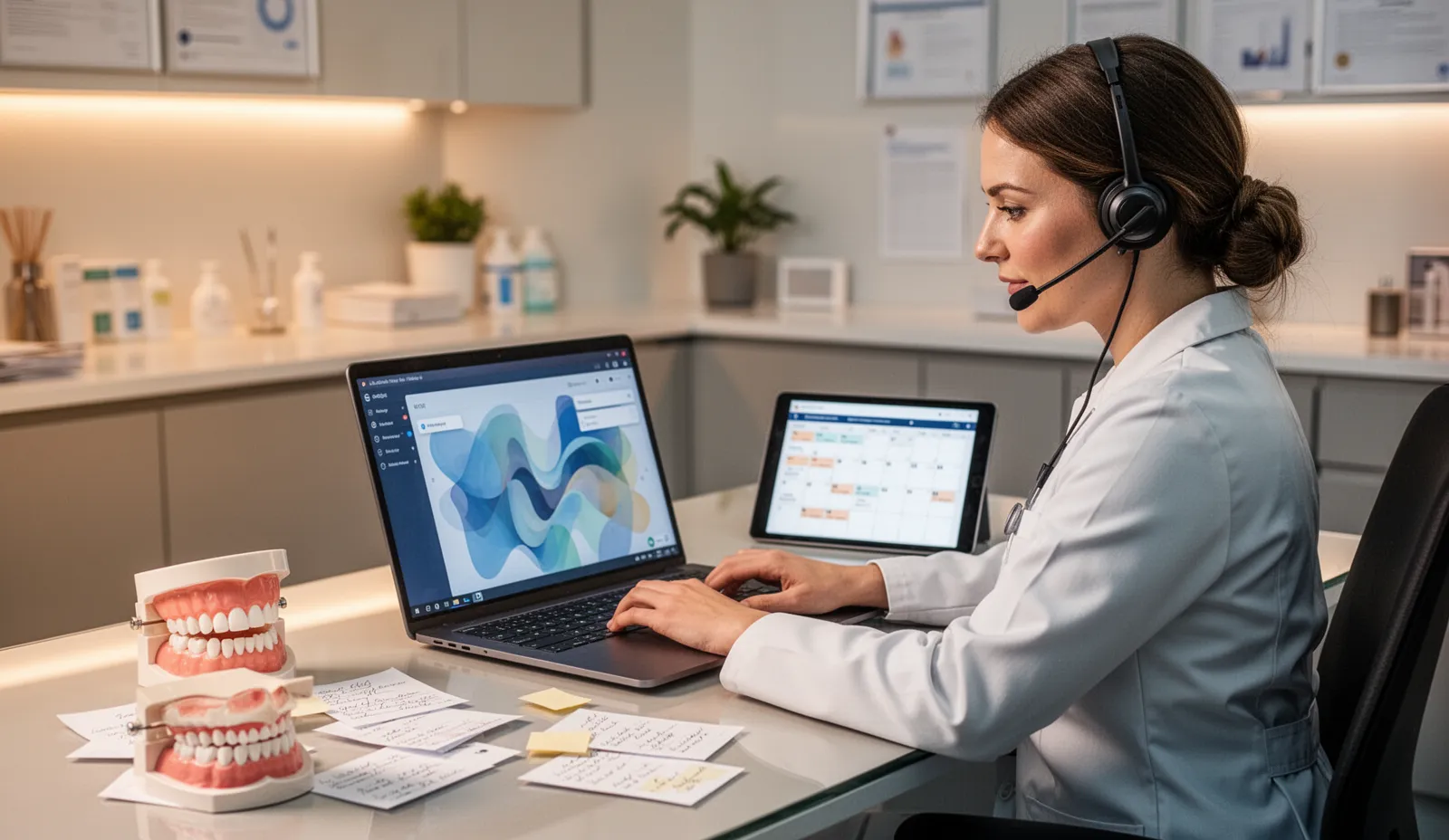
Organic visitors often compare multiple clinics. If a high-intent visitor submits a clinic-plan request and waits hours for a response, the clinic may lose the opportunity even though SEO produced the lead.
Track first response time, first successful contact, number of attempts, channel used, booked consult rate, and no-show rate. One quick text is not a follow-up system.
| First response | Risk level | Recommended action |
|---|---|---|
| Under 5 minutes | Strong | Keep routing and scripting consistent |
| 5-15 minutes | Workable | Tighten alerts and ownership |
| 15-60 minutes | At risk | Add automation plus human call priority |
| Over 60 minutes | High risk | Repair process before scaling spend |
Send the clinic-owner version: whether the next issue is budget size, channel noise, weak tracking, or accepted-case economics.
Under 5 minutes is the strongest target for paid and high-intent organic leads. The longer the delay, the more likely the patient keeps comparing clinics.
Automation helps with acknowledgement and routing, but implant and cosmetic consults still benefit from a real human conversation quickly.
Want the clinic-specific next move?
Get plan