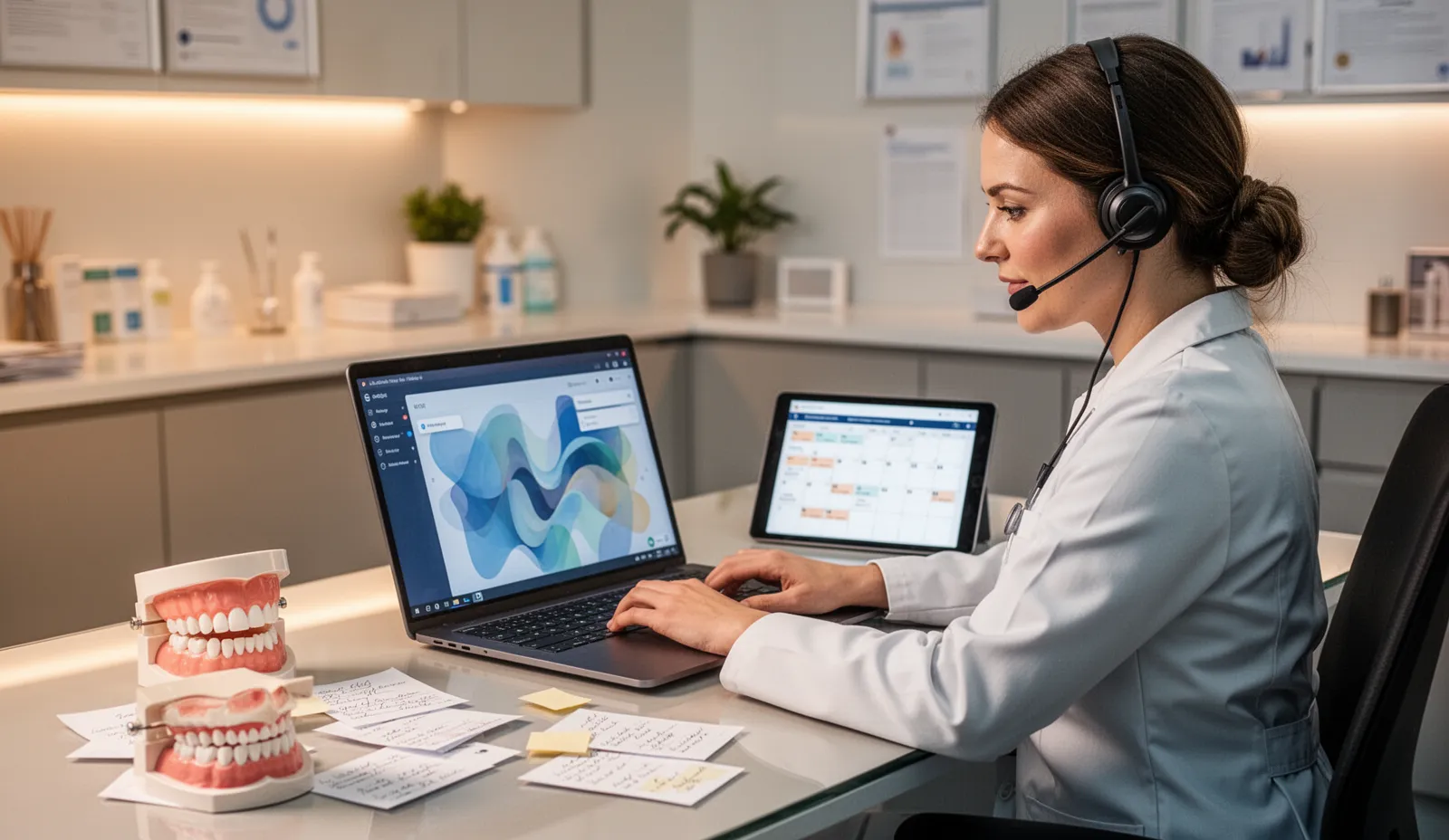
Speed-to-Lead Improvement Result photo context for dental growth planning.
Clinic growth context
The clinic was receiving paid and organic inquiries but had inconsistent front-desk response timing. Some leads were called quickly, others waited until a quieter part of the day, and reporting did not separate bad leads from good leads that simply went cold.
What changed in the workflow
The team defined a first-contact target, added a simple attempt cadence, and tracked whether each serious patient inquiry was reached, booked, not interested, unresponsive, or rejected. Campaign reporting then separated lead-source quality from follow-up execution.
What guided the changes
The review focused on time to first attempt, number of attempts, reachable rate, booked consult rate, and reasons the inquiry did not move forward. This made it easier to see when media was producing real opportunities that the clinic was not capturing, especially when first attempt slipped outside the under-10-minute target.
What shaped the result
Speed cannot fix a weak offer or poor targeting. It matters most when the inquiry is relevant and the clinic has a credible next step, clear scheduling process, and enough staff coverage.
Follow-up improvement result
Metric
Before
After
First response
4.5 hours
7 minutes
Attempt pattern
One call or note
Call, text, and follow-up sequence
Reachability lift
Baseline
29% higher
Main SEO impact
Organic inquiries went cold
More clinic-plan requests reached quickly
Use these result pages as examples of what to measure: spend, serious inquiries, booked consult quality, follow-up, case value, and ROI.
What this shows
A lead-response review found that campaign economics changed when the clinic tracked reachability, first-contact speed, and call attempts instead of only form volume. The before/after moved first attempt from 4.5 hours to 7 minutes, with a 29% reachable-rate lift and a 21% booked-consult lift signal.
How we evaluate results
Booked.Dental defines serious patient inquiries as reachable inquiries with treatment intent, market fit, and enough context for meaningful follow-up. Result numbers are checked against booked consults, show rate, case acceptance, and treatment-value assumptions.
Because traffic quality cannot be judged fairly if good opportunities are not contacted quickly enough to become consult conversations.
What was measured besides response time?
Reachable rate, attempts, booked consults, unresponsive leads, rejection reasons, and whether the inquiry matched the intended treatment or market. The useful signal was a 29% lift in reachability after first attempt moved to 7 minutes.
Does faster follow-up create more cases by itself?
No. It improves the clinic's chance of reaching relevant inquiries, but final results still depend on fit, scheduling, show rate, and treatment acceptance.